The Future of Quantum Computing in
Consumer Smart Tech

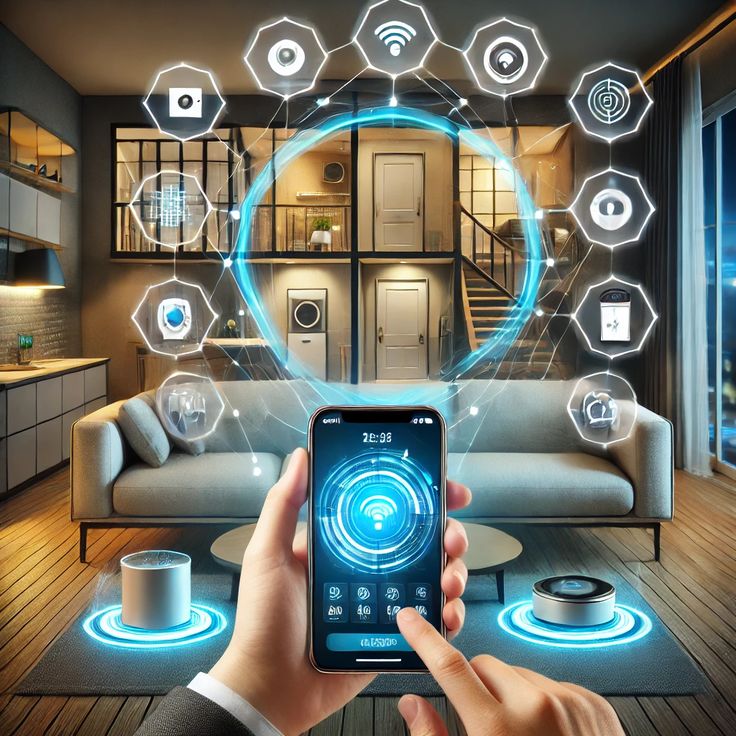
For decades, quantum computing was a theoretical giant confined to research laboratories and supercomputer clusters. Today, we are on the precipice of a sub-atomic revolution that will fit inside your pocket.
Imagine a smartphone that doesn't just process data but anticipates your needs through quantum-enhanced AI algorithms. The shift from strictly logic—classic and solid—to qubits represents the single largest leap in computational history since the invention of the transistor.
The Qubit Advantage
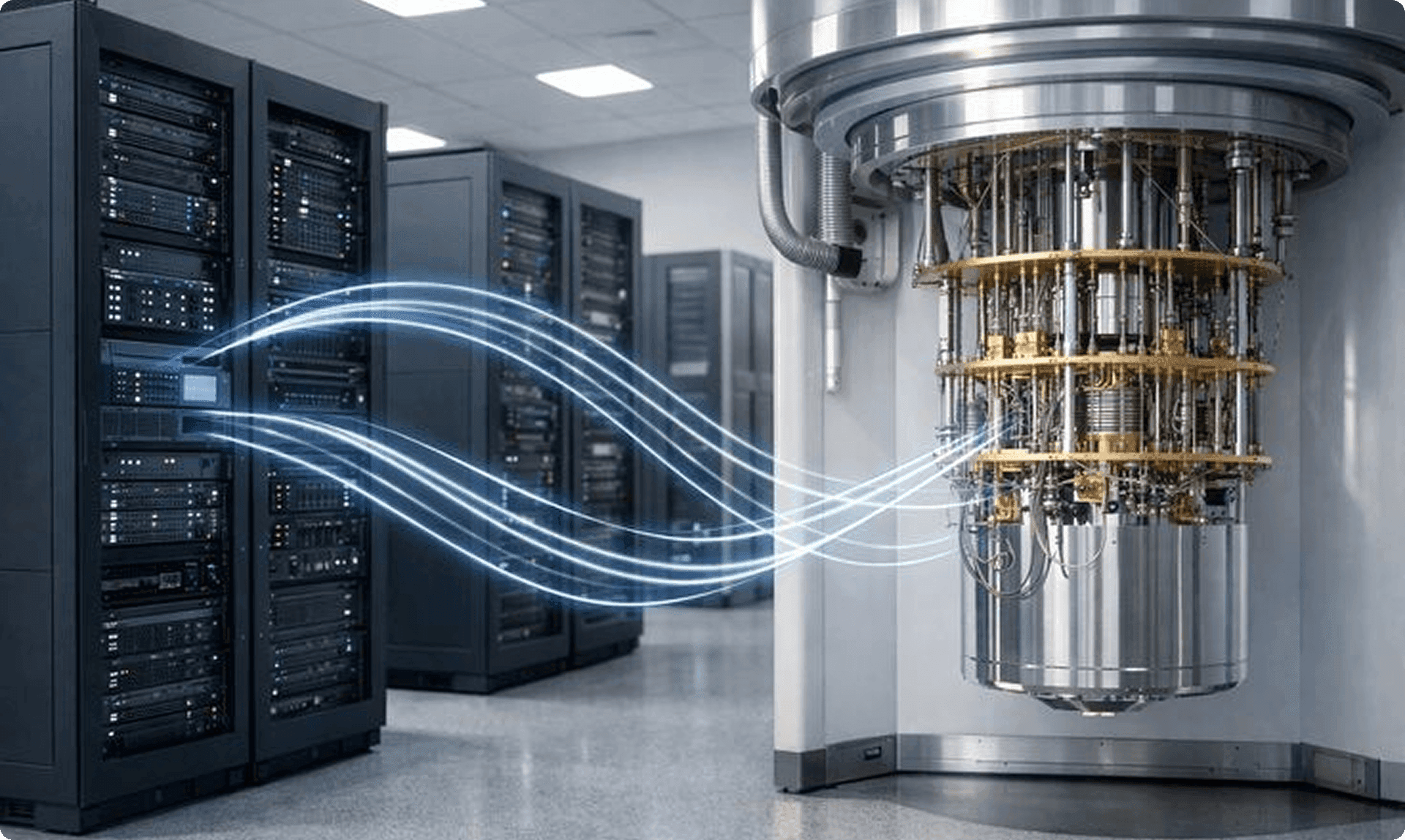
Unlike traditional bits, qubits can exist in multiple states simultaneously, a phenomenon known as superposition. This allows a quantum-powered home hub to solve optimization problems—like managing the energy grid of an entire smart home—instantly, rather than sequentially.
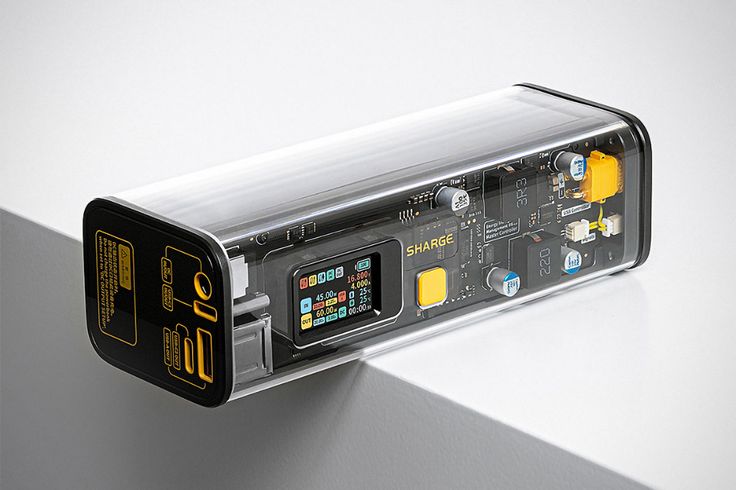
Prototypes for the first localized Q-BIT processing units, anticipated 2027.
Security is perhaps the most immediate benefit. Current encryption standards focus on mathematical complexity from quantum innovation. By integrating quantum key distribution (QKD) into smart locks and personal sensors, we are creating "unbreakable" environments for the first time.
Quantum Processing Explained
The transition to quantum isn't just about speed; it's about complexity handling. Below is how a standard consumer request travels through a quantum-hybrid interface.
Input Layer
Classic sensors collect environmental raw data.
Quantum Core
Q-BIT superposition calculates 1,400 options/sec.
Outcome
Instant localized response via smart automation.
Security is perhaps the most immediate benefit. Current encryption standards focus on mathematical complexity from quantum innovation. By integrating quantum key distribution (QKD) into smart locks and personal sensors, we are ensuring "unbreakable" environments for the first time.

About Alex Chan
Alex is a senior technology journalist with 15 years of experience covering emerging physics and consumer electronics. He previously worked as a lead at the Quantum Research Institute.
Comments (24)

Incredible insight, I'm curious how these Q-BIT systems will handle traditional network latency in rural areas.
Leave Thoughts

The Ethics of AI Integration in Personal Electronics


Battery Tech Breakthroughs: Charging Your Life in Seconds